Why Quality Plumbing Services Are Essential for Your Homes Health: An In-Depth Overview
High-quality plumbing services play a critical role in maintaining a home's overall health. They assist in detecting and resolving problems before they develop into expensive repairs. With proper knowledge, skilled plumbers ensure a reliable water supply and safeguard the home's structural stability. Yet, numerous homeowners tend to neglect the value of routine upkeep. Understanding the full impact of plumbing on your living environment could reveal surprising insights. What are these unseen hazards likely to be?
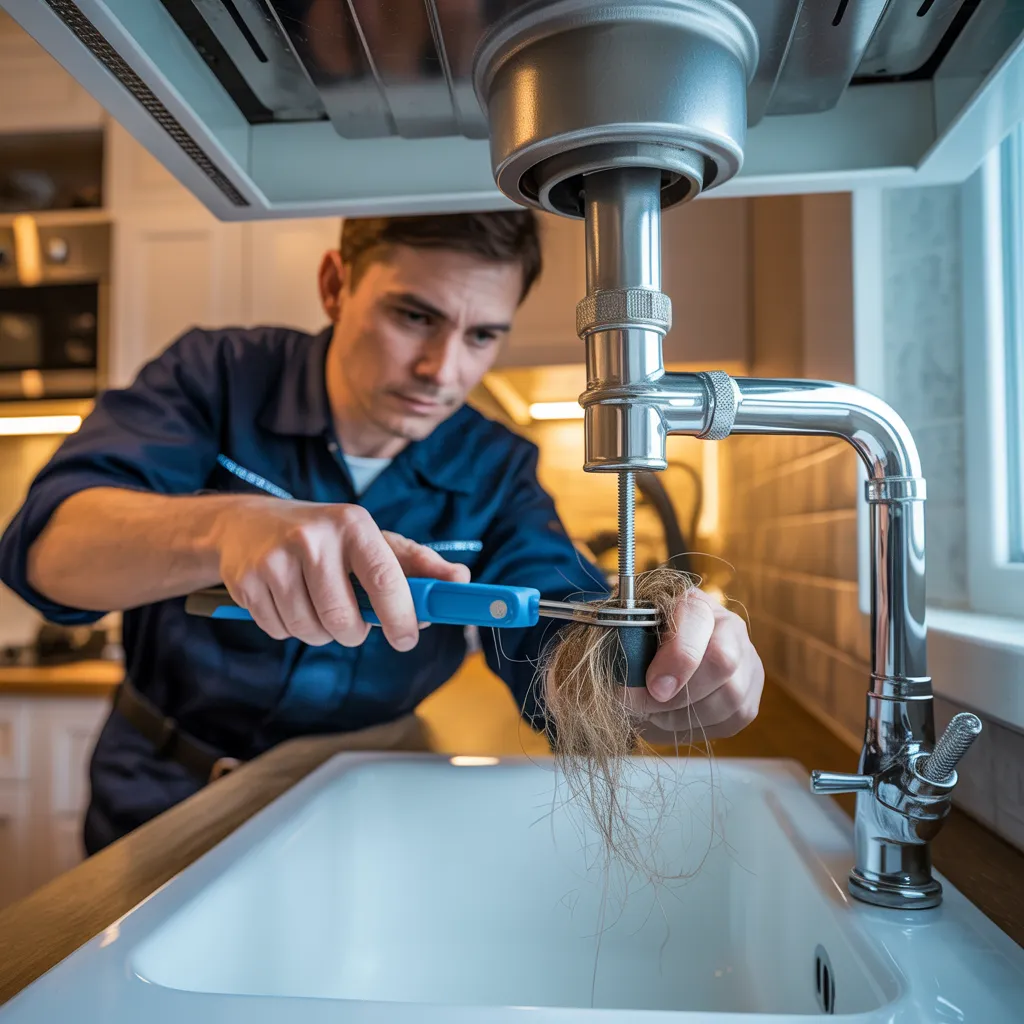
The Concealed Risks of Inadequate Plumbing
Many homeowners underestimate the invisible hazards of poor plumbing, which can cause major complications over time. Inadequate plumbing systems can lead to water leaks that silently damage foundations, walls, and ceilings. Over time, these leaks foster mold growth, posing health risks to household members and undermining the building's structural stability. Moreover, low-quality piping materials may degrade, introducing toxic substances into the home's water system. This not only compromises the safety of potable water but can also result in expensive restoration work.
Blockages resulting from improper upkeep may worsen into see this significant obstructions, causing sewage backup and hazardous living conditions. Furthermore, poorly maintained drainage systems may lead to flooding, harming personal belongings and necessitating costly remediation. Homeowners often fail to recognize that ignoring plumbing upkeep can trigger a chain of consequences, making timely action absolutely critical. Understanding these hidden dangers emphasizes the value of professional plumbing maintenance, which can protect a property's integrity and lifespan.
How to Spot Plumbing Issues Early
How are homeowners able to spot plumbing concerns before they become serious? Routine monitoring of important warning signs can assist in recognizing possible issues. Homeowners ought to stay alert to strange noises, like gurgling or hissing, which could indicate trapped air or leaks. Moreover, sudden jumps in water bills could be a sign of undetected leaks.
Visual inspections are also essential; the presence of water stains on walls, ceilings, or floors can signal underlying plumbing concerns. Homeowners should check under sinks and around toilets for moisture or pooling water. Furthermore, drains that empty slowly may point to clogs or deteriorating pipes.
Paying attention to bad odors is also worthwhile, as they might suggest drainage complications. Finally, keeping an eye on fluctuating water pressure can provide early warnings of hidden complications. Prompt recognition allows for prompt response, potentially saving homeowners from expensive fixes and guaranteeing a more comfortable living space.
Preventing Major Problems With Regular Maintenance
Regular maintenance is essential for homeowners seeking to prevent serious plumbing complications before they develop. Regular inspections can detect minor leaks, rust, or obstructions that, if neglected, might lead to costly fixes or system malfunctions. Basic tasks, including draining water heaters and inspecting pipes for signs of deterioration, can considerably increase the longevity of plumbing systems.
Additionally, scheduled maintenance ensures optimal hydraulic pressure and reliable drainage, guaranteeing that home systems operate smoothly. Property owners should also prioritize routine seasonal evaluations, as varying weather conditions can impact the integrity of plumbing systems.
Why Hiring a Professional Plumber Matters
Even though some homeowners consider DIY plumbing fixes to reduce expenses, hiring a professional plumber is crucial for guaranteeing the job is done correctly and safely. Licensed plumbers have the required skills and expertise to address a broad spectrum of plumbing problems, including everything from simple leaks to complicated installations. Their proficiency reduces the likelihood of additional damage, which could result in expensive repairs later on.
In addition, licensed plumbers possess specialized equipment and expertise that the average homeowner may lack. This gives them the ability to detect and address problems with precision, usually in significantly less time than an inexperienced person could manage. In addition, engaging a certified plumber secures compliance with local codes and regulations, safeguarding the homeowner from potential legal issues.
At the end of the day, investing in skilled plumbing services not only enhances the reliability of a home's plumbing system but also contributes to its overall safety and functionality.
What Quality Plumbing Services Cost
Understanding the costs associated with professional plumbing services is important for homeowners planning upkeep or repairs. Elements affecting these costs include the difficulty of the work, the materials required, and the expertise of the plumber. Standard services, such as fixing minor leaks or unclogging drains, usually fall between $100 to $300. That said, more complex work, like replacing pipes or addressing sewer line problems, can climb to $1,000 or more.
Moreover, emergency plumbing calls frequently carry premium charges owing to their urgent and after-hours demands. Homeowners should also consider potential costs associated with preventative maintenance, since proactive maintenance helps sidestep expensive repairs down the line. Even though the most budget-friendly choice may appear attractive, prioritizing high-quality plumbing work ensures dependability, safety, and lasting performance, ultimately protecting the home's overall health. Recognizing these pricing factors empowers homeowners to make well-informed choices.
How to Find the Right Plumbing Service for Your Home
Selecting the right plumber for a home demands careful consideration beyond just cost. Property owners should focus on qualifications, confirming the service is properly licensed and insured to guard against liabilities. Reviews and testimonials shed light on a contractor's reputation, highlighting expertise and dependability. It is also crucial to ask about warranties on both labor and parts; trusted plumbers stand behind their work.
Another key consideration is the range of services offered. A versatile plumbing service can handle emergencies, installations, and routine maintenance, providing a thorough solution. Moreover, openness in pricing and itemized estimates helps eliminate surprise charges. Ultimately, clear communication is critical; a plumber ought to be ready to outline concerns and resolutions in an understandable way. By weighing these considerations, homeowners can arrive at a knowledgeable decision that confirms their plumbing demands are fulfilled competently and dependably, ultimately benefiting the overall condition of their home.
Commonly Asked Questions
What Are Common Signs of Plumbing Issues in Older Homes?
Typical indicators of plumbing problems in aging homes encompass slow drains, frequent clogs, water stains on ceilings or walls, unusual noises from pipes, and fluctuating water pressure, all indicating potential leaks or deterioration in the plumbing system.
How Do I Temporarily Repair a Plumbing Leak?
To temporarily fix a plumbing leak, waterproof tape or a rubber patch held in place with hose clamps can be used. Ensuring the area is dry before application enhances effectiveness until a qualified professional is able to properly resolve the problem.
What Plumbing Tools Should Every Homeowner Have?
Every homeowner needs to keep essential plumbing equipment, comprising a pipe wrench, plunger, multi-use adjustable wrench, basin wrench, and a plumber's tape. These tools enable effective troubleshooting and minor repairs, ensuring better maintenance of home plumbing systems.
Can DIY Plumbing Repairs Be Safe and Effective?
Home plumbing repairs can be safe and effective for minor issues, when homeowners are equipped with the proper tools and expertise. That said, complex problems could cause costly mistakes, underscoring the value of expert help for substantial plumbing work.
How Do Weather Conditions Influence Plumbing Systems?
Climate conditions considerably impacts plumbing systems; freezing temperatures can lead to burst pipes, while extreme heat may cause increased evaporation and pressure. Heavy rainfall can overwhelm drain systems, leading to backups and possible water damage inside homes.